Exploring Player Reward Pathways Through Licensed British Gaming Loyalty Frameworks
Elena Hughes · May 19, 2026
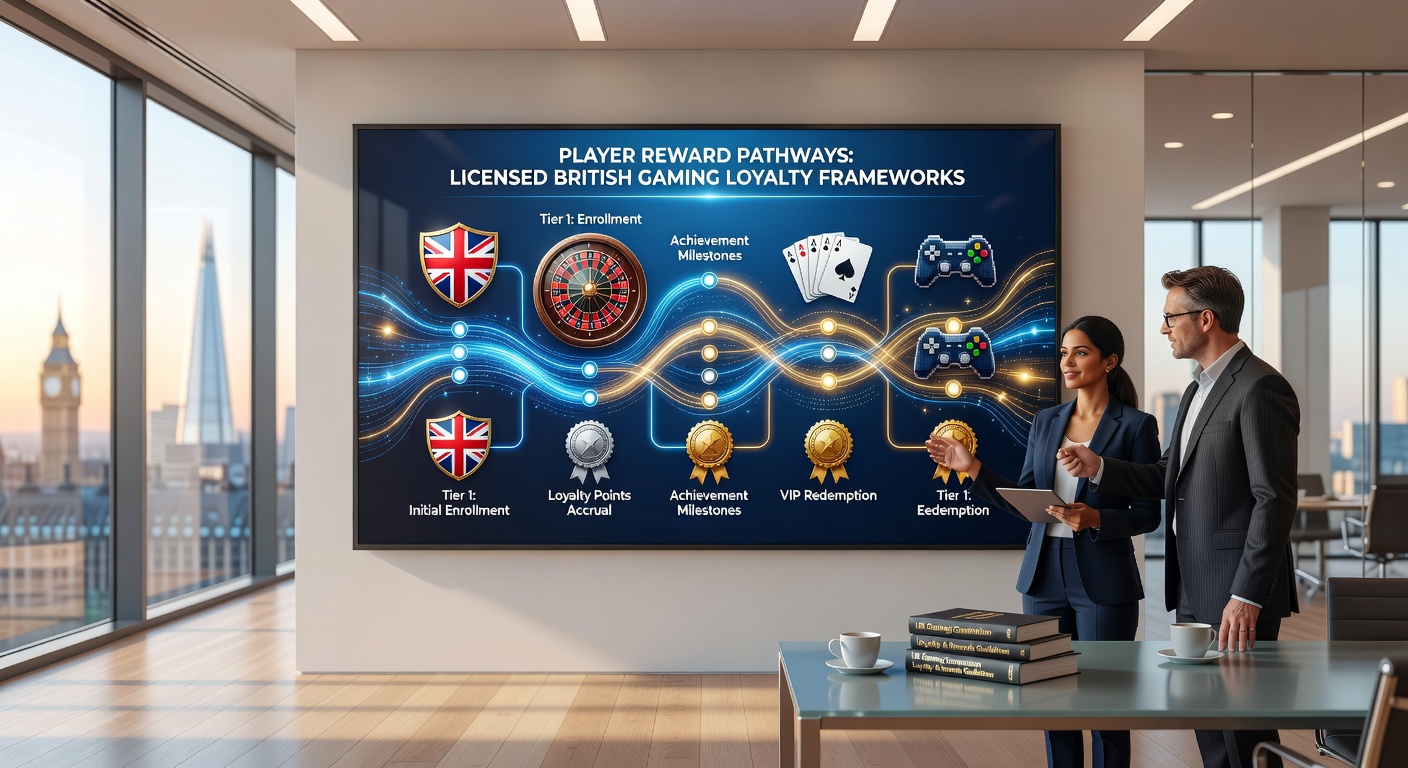
Exploring Player Reward Pathways Through Licensed British Gaming Loyalty Frameworks
Player reward pathways in licensed British gaming environments operate through carefully designed loyalty frameworks that track activity and deliver benefits across multiple stages, and these systems integrate data analytics with regulatory standards to maintain transparency while encouraging continued engagement. Observers note that participants accumulate points based on wagering volume, game variety, and session frequency, which then unlock tiered status levels ranging from entry-level access to premium privileges such as personalized offers and exclusive event invitations.
Core Mechanics of Loyalty Accumulation
Points calculation follows standardized formulas set by operators under oversight from various international gaming bodies, where base multipliers apply to slots and table games while bonus rounds contribute additional increments during promotional windows. Researchers have documented how these metrics create clear progression routes that players navigate by meeting monthly thresholds, and data from industry reports shows consistent patterns where higher tiers correlate with increased retention rates across monitored markets. One study revealed that participants who advance through initial stages often receive accelerated point bonuses, which smooths the transition into mid-level rewards like enhanced cashback percentages and priority support channels.
Progression Tiers and Their Structures
Tier advancement typically unfolds across four or five distinct levels, each defined by cumulative point totals that reset annually or on a rolling basis depending on the operator's policy. Silver status grants basic perks including birthday rewards and standard free spin allocations, whereas gold and platinum designations introduce layered benefits such as dedicated account managers and invitations to regional tournaments. What's interesting here is how frameworks incorporate milestone bonuses that trigger automatically once thresholds are crossed, and this automation reduces friction for players while aligning with compliance requirements from regional authorities in places like Canada and Australia.
Redemption Options and Value Pathways
Redeeming accumulated rewards involves selecting from menus that include monetary conversions, merchandise, or experiential prizes, with conversion rates published clearly in program terms to avoid ambiguity. Evidence suggests that many licensed operators link redemptions to responsible play reminders, ensuring that pathways emphasize sustainable participation rather than unchecked accumulation. According to figures from the Responsible Gambling Council in Canada, integrated loyalty tools that surface usage summaries help participants maintain balanced engagement levels throughout their reward journeys.
Case examples from established British venues demonstrate how loyalty pathways intersect with seasonal campaigns, where double-point periods in spring months boost activity without altering core structures. These temporary adjustments allow players to accelerate progress toward annual goals, and observers note that such events often coincide with broader industry updates scheduled around key regulatory review cycles.

Regulatory Alignment in May 2026 Developments
Updates anticipated in May 2026 focus on enhanced data-sharing protocols between operators and oversight entities, which aim to standardize reporting on loyalty-driven behaviors across licensed platforms. Industry organizations such as the World Lottery Association have outlined frameworks that incorporate real-time monitoring features, ensuring reward pathways remain compatible with evolving consumer protection guidelines. Those who've examined preliminary briefings indicate that new verification steps will apply to high-tier redemptions, adding layers of security while preserving teh fluidity of point-based systems.
Operators continue to refine algorithms that predict optimal reward timing, drawing from aggregated datasets that respect privacy boundaries established under current legislation. This refinement process supports pathways that adapt to individual play histories, delivering targeted incentives like tailored deposit matches or exclusive game previews at appropriate intervals.
Conclusion
Licensed British gaming loyalty frameworks provide structured routes for reward accumulation and redemption that balance player incentives with operational compliance, and ongoing refinements scheduled through 2026 promise further integration of analytical tools to enhance these experiences. Data indicates sustained interest in tiered progression models as operators adapt to shifting participation patterns across the sector.