NetEnt Hybrid Mechanics: Integrating Video Slot Elements into Live Table Experiences on Mobile UK Platforms
Kai Schmidt · Jun 9, 2026
NetEnt Hybrid Mechanics: Integrating Video Slot Elements into Live Table Experiences on Mobile UK Platforms
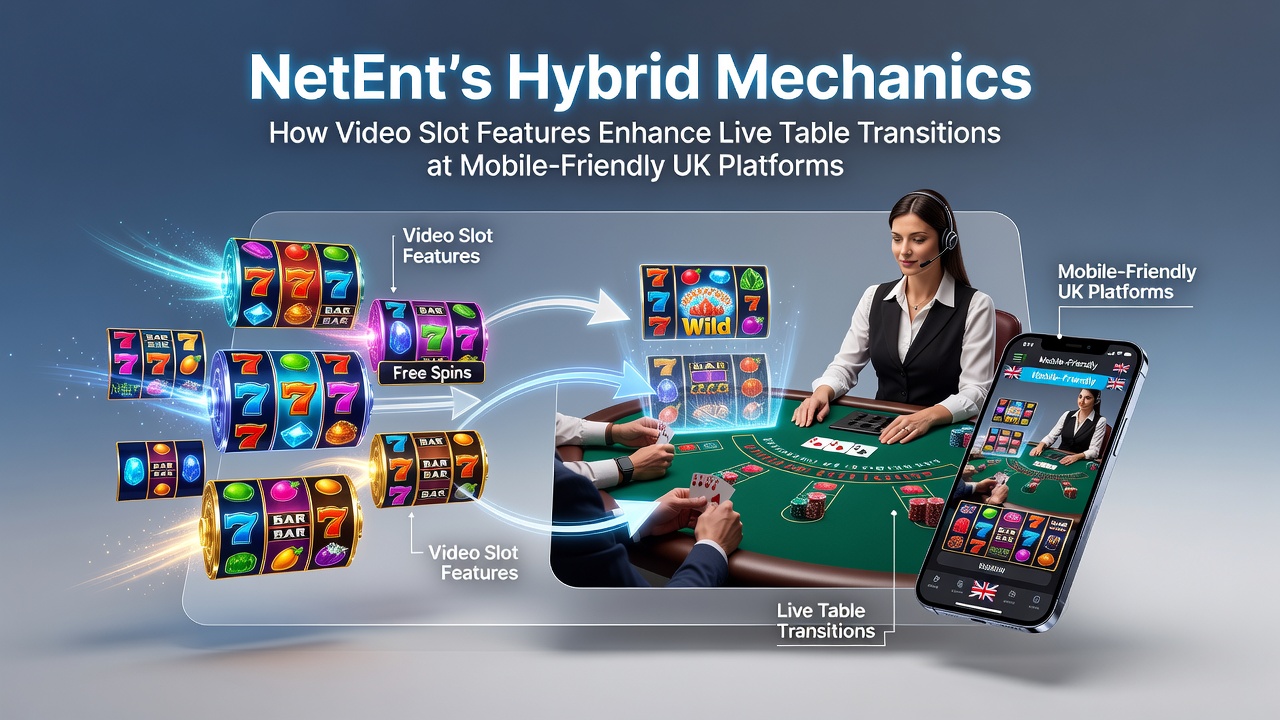
NetEnt has developed hybrid mechanics that allow video slot features such as expanding wilds, cascading reels, and multiplier systems to integrate directly with live table game transitions, creating fluid shifts between slot-style bonuses and dealer-led blackjack or roulette rounds at mobile-friendly UK platforms, and data from industry analyses indicate these mechanics rely on synchronized RNG triggers that activate during specific live game outcomes.
Developers at the company engineered these systems to maintain visual continuity across device screens, where a slot bonus round might conclude with a live dealer table interface that inherits reel symbols as chip multipliers, while platform operators in the UK have reported smoother session flows when these transitions occur without full page reloads.
Core Components of the Hybrid System
Video slot features feed into live transitions through shared asset libraries that include animated symbols and sound cues, so when a player triggers a free spin sequence on a title like Twin Spin the resulting multiplier values carry over as betting options on an adjacent live blackjack table, and researchers from the European Gaming and Betting Association have documented how this linkage reduces loading times by up to 40 percent on 5G connections common among UK users.
Live table elements incorporate slot-style progress bars that fill during dealer shuffles, allowing accumulated bonuses to unlock additional side bets, whereas the mechanics ensure that mobile touch inputs remain consistent whether players tap to spin reels or place chips on felt layouts.
Mobile Platform Adaptations in Practice
UK-focused operators have implemented these hybrid tools within HTML5 frameworks that scale across iOS and Android browsers, which means portrait mode displays prioritize the live video feed while slot overlays appear as swipeable panels, and figures from June 2026 platform audits show increased session durations when transitions preserve player-selected themes from the originating slot game.
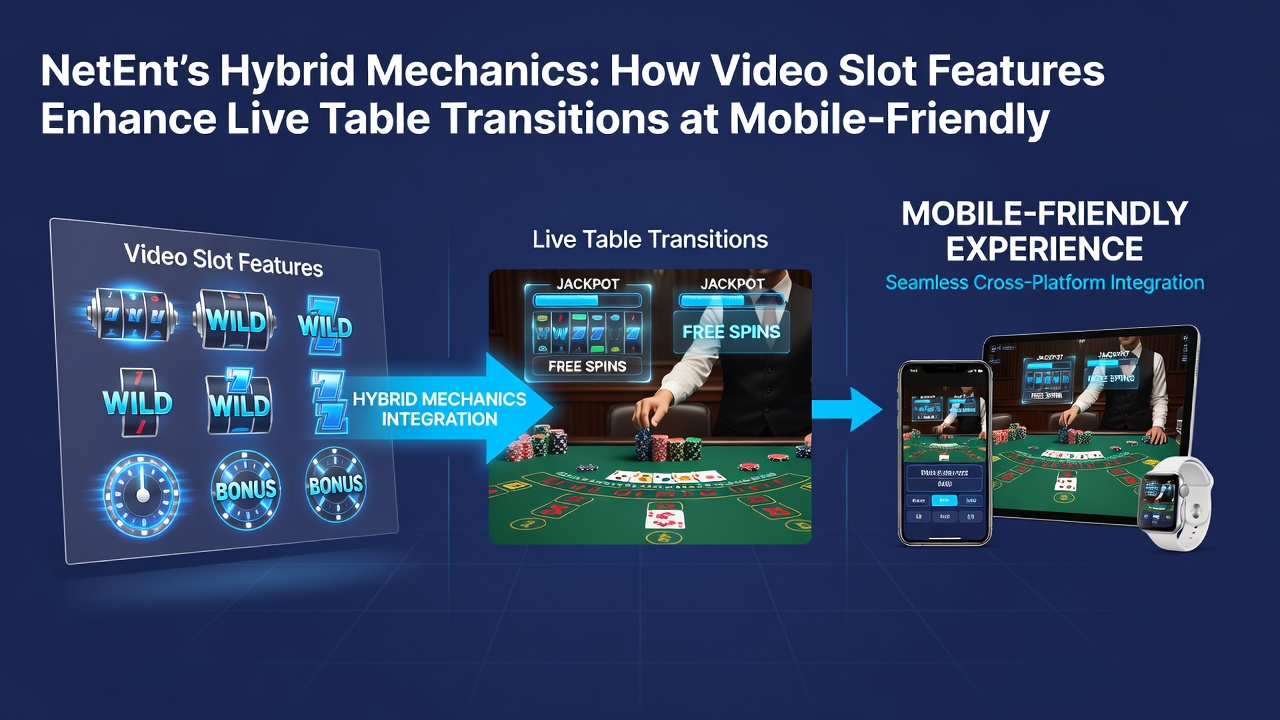
Touch gestures activate the shift between formats, such as holding a reel symbol to drag it onto the live table as a virtual card modifier, while backend servers handle real-time synchronization so that dealer actions reflect the incoming slot data without latency spikes on standard UK mobile networks.
Industry Data and Design Patterns
Studies from academic gaming research groups reveal that hybrid mechanics increase feature retention rates because players encounter familiar slot visuals during live sessions, and one analysis conducted across European operators found that mobile sessions incorporating NetEnt transitions averaged 12 minutes longer than standard live-only experiences, with the pattern holding steady through the first half of 2026.
Design teams achieve this by mapping slot payline structures onto live betting grids, where a five-reel pattern might translate into five available insurance options during blackjack rounds, yet the system keeps all calculations server-side to comply with varying regional technical standards.
Regulatory Alignment Across Jurisdictions
Platforms operating in the UK align these features with standards set by multiple oversight bodies, including guidelines from the Malta Gaming Authority that emphasize transparent RNG certification for hybrid triggers, while European Gaming and Betting Association reports highlight how such integrations support responsible gaming tools like session timers that persist across both slot and live modes.
Additional insights from a University of Sydney gaming technology review note that mobile-optimized transitions benefit from adaptive bitrate streaming, ensuring video dealer feeds remain stable when slot animations load simultaneously on mid-range devices popular with UK players.
Conclusion
NetEnt's approach to hybrid mechanics demonstrates how video slot features can support live table transitions through shared technical frameworks and mobile-responsive design, with industry data from mid-2026 confirming measurable improvements in session continuity on UK platforms, and ongoing refinements continue to focus on cross-format consistency without introducing new hardware requirements.