Shifts in Player Engagement: Video Slots Versus Live Dealer Options on Portable Devices
Morgan Günther · Jul 7, 2026
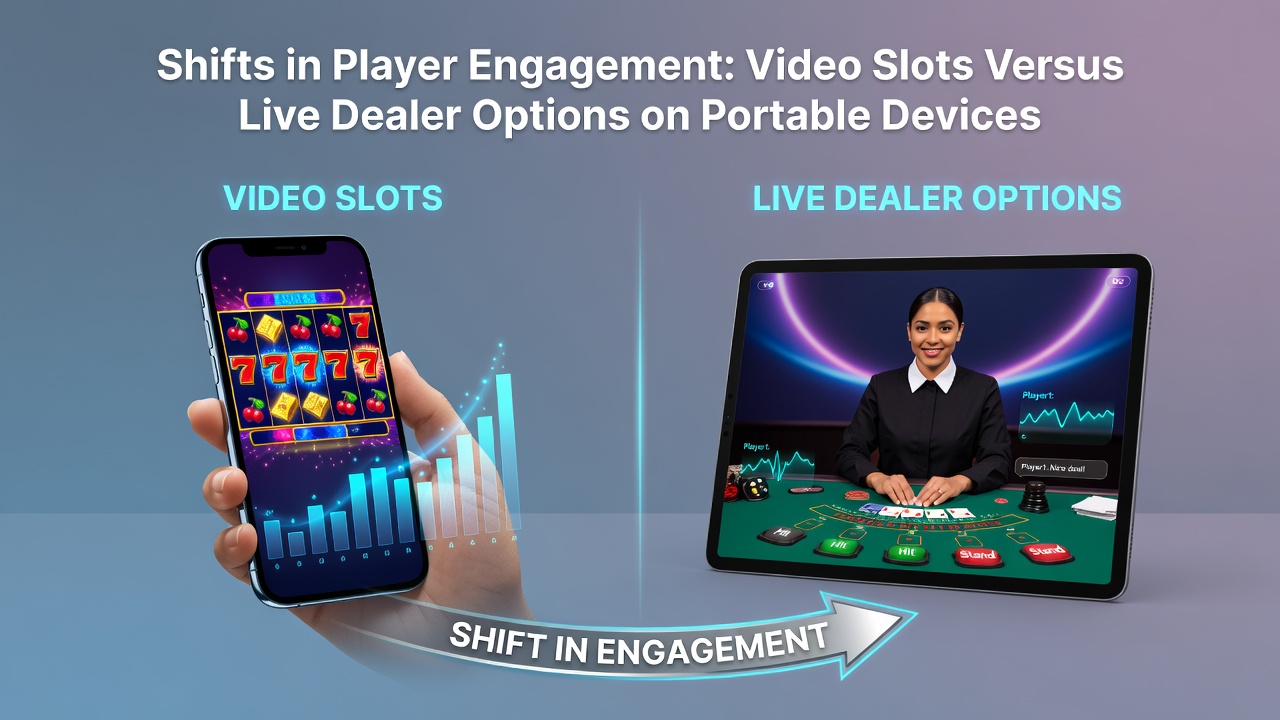
Shifts in Player Engagement: Video Slots Versus Live Dealer Options on Portable Devices
Portable devices continue to reshape how players interact with casino games as video slots and live dealer options compete for attention on smartphones and tablets, and data from multiple regions tracks these patterns through 2026. Mobile platforms now account for the majority of session starts across regulated markets according to figures compiled by the American Gaming Association, while engagement metrics reveal distinct differences in how users spend time on each format.
Mobile Infrastructure Supports Both Formats
Network improvements and device capabilities allow video slots to load quickly with minimal data usage whereas live dealer streams require stable connections and higher bandwidth, yet both options run smoothly on current hardware. Developers optimize slot interfaces for touch controls that support rapid spins and bonus triggers while live dealer platforms incorporate camera angles and chat functions that fit smaller screens without sacrificing clarity. Regulatory bodies in different jurisdictions monitor these technical standards to maintain fair play across portable access points.
App stores and direct browser play both facilitate downloads or instant access and operators track installation rates alongside session durations to measure retention. Video slots often record higher completion rates for short sessions because rounds finish in seconds whereas live dealer tables involve waiting periods between hands or spins that can extend overall playtime.
Engagement Metrics Reveal Format Differences
Studies from the University of Nevada Las Vegas gaming research center indicate that video slot players on mobile devices complete more individual game rounds per hour compared with those using live dealer tables, yet average session lengths for live options stretch longer when players remain connected through multiple rounds. Data collected in early 2026 shows video slots generating higher interaction frequency during commuting hours while live dealer participation peaks during evening periods when users settle into longer viewing setups at home.
Push notifications and reward systems encourage returns to both categories although slot titles leverage daily login bonuses more aggressively to prompt quick sessions. Live dealer environments integrate multi-table viewing options on tablets that let players switch between blackjack, roulette, and baccarat without leaving the app and this flexibility contributes to sustained attention spans across extended periods.
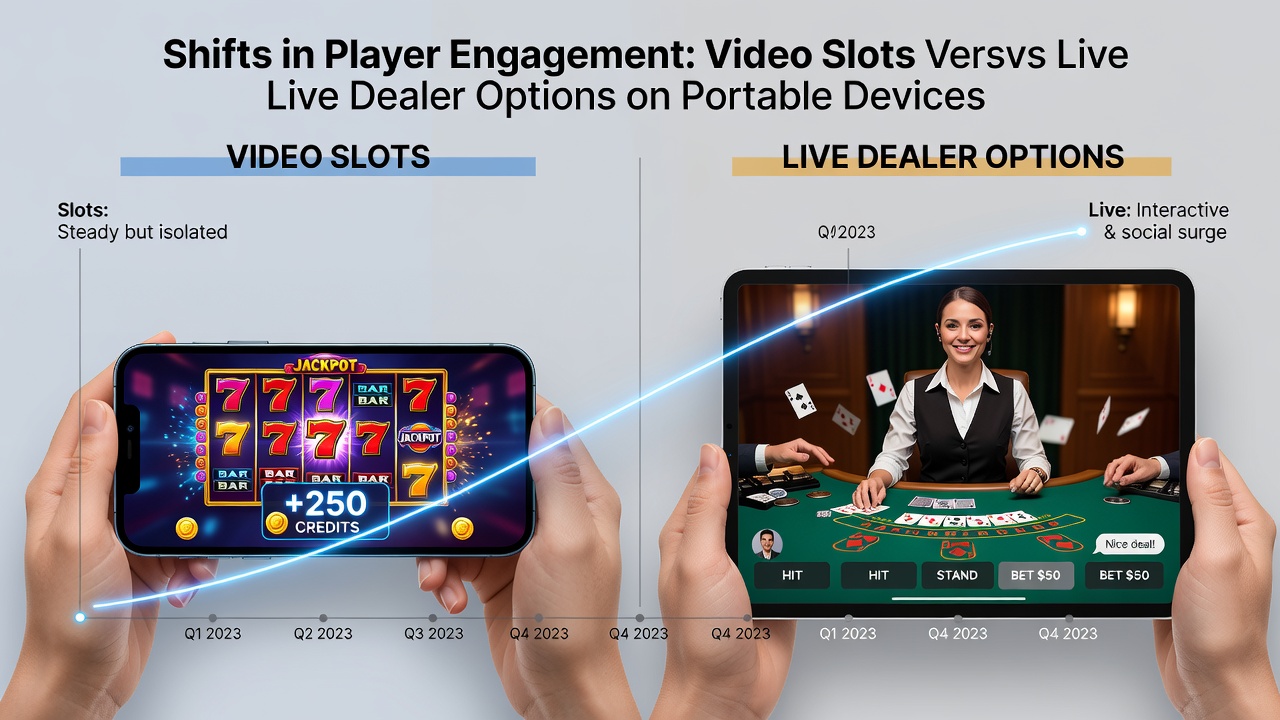
July 2026 Usage Patterns Across Regions
As of July 2026 reports from Canadian provincial regulators highlight increased mobile adoption rates for both game types with video slots maintaining volume advantages in daily active users while live dealer tables post higher per-user revenue figures in provinces that track such metrics. European operators note similar splits where slot engagement dominates weekday afternoons and live options draw more weekend traffic according to aggregated industry association data.
Device type influences these trends as well because smartphone users gravitate toward slots for one-handed operation whereas tablet users show greater comfort with live dealer interfaces that benefit from larger displays. Observers note that battery drain and heat generation remain considerations for live streaming sessions which can limit continuous play compared with the lighter demands of slot software.
Player Behavior and Retention Factors
Research indicates that bonus structures attached to video slots encourage repeated short bursts of activity through free spin mechanics and progressive elements whereas live dealer promotions often focus on table minimum reductions or cashback on extended play. These differences align with observed session patterns where slot users log multiple brief visits daily and live dealer participants consolidate activity into fewer but longer blocks.
Geolocation features and responsible gaming tools apply equally to both formats yet implementation varies by operator with some platforms offering time-limit reminders that appear during live sessions to address the immersive nature of dealer interactions. Video slot interfaces meanwhile incorporate auto-play settings that allow extended runs with minimal ongoing input from the player.
Technical Adaptations and Future Tracking
Software providers continue refining compression techniques for live video feeds to reduce latency on mobile networks while slot developers introduce new mechanics such as cascading reels and multiplier trails that maintain visual engagement without added complexity. Both categories benefit from cross-platform compatibility that preserves progress and balances across devices so users can switch between phone and tablet seamlessly.
Industry organizations compile quarterly reports that compare bounce rates, average bet sizes, and feature activation frequencies across mobile formats and these datasets help operators adjust marketing approaches to different player segments. Regulatory updates in various markets require disclosure of game rules and RTP values in accessible formats on portable screens regardless of whether the title is a video slot or live dealer variant.
Conclusion
Portable devices sustain distinct engagement pathways for video slots and live dealer options as usage data through July 2026 demonstrates measurable differences in session length, frequency, and revenue contribution. Video slots attract higher volumes of brief interactions supported by quick loading and touch-optimized controls while live dealer experiences foster extended participation through real-time elements adapted for smaller screens. Ongoing technical refinements and regulatory oversight ensure both formats remain accessible and monitored across global markets.