The Progression from Classic Mechanical Reels to Hybrid Live Slot Experiences Within Regulated Markets
Clara Neumann · Aug 16, 2026
The Progression from Classic Mechanical Reels to Hybrid Live Slot Experiences Within Regulated Markets
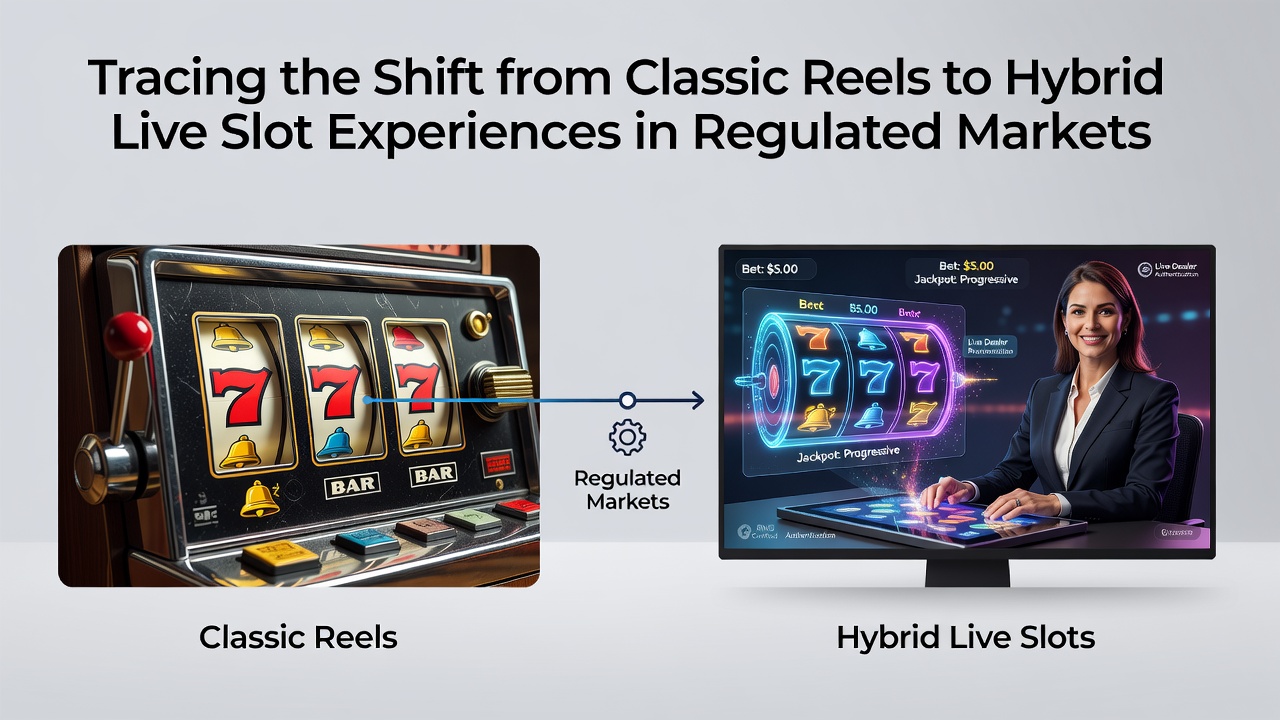
Mechanical reel machines first appeared in the late nineteenth century, and operators in places like San Francisco and Nevada installed them in saloons and hotels where players pulled levers to align symbols on spinning drums, while payouts occurred through coin hoppers or attendant verification. Over subsequent decades manufacturers replaced physical drums with electromechanical components, and by the mid-twentieth century electronic random number generators controlled outcomes on video screens that simulated reels without any moving parts.
Regulatory Frameworks Shape Early Digital Transitions
State and national regulators began requiring independent testing of random number generators during the 1980s, and laboratories certified by bodies such as the Nevada Gaming Control Board established standards that manufacturers followed when they introduced video slots to casino floors. Those same standards carried over when internet-based operators sought licenses in jurisdictions that permitted remote gambling, and regulators in places like New Jersey and the Isle of Man demanded encryption protocols plus geofencing to keep play inside approved borders.
Hybrid Formats Combine RNG Slots with Live Elements
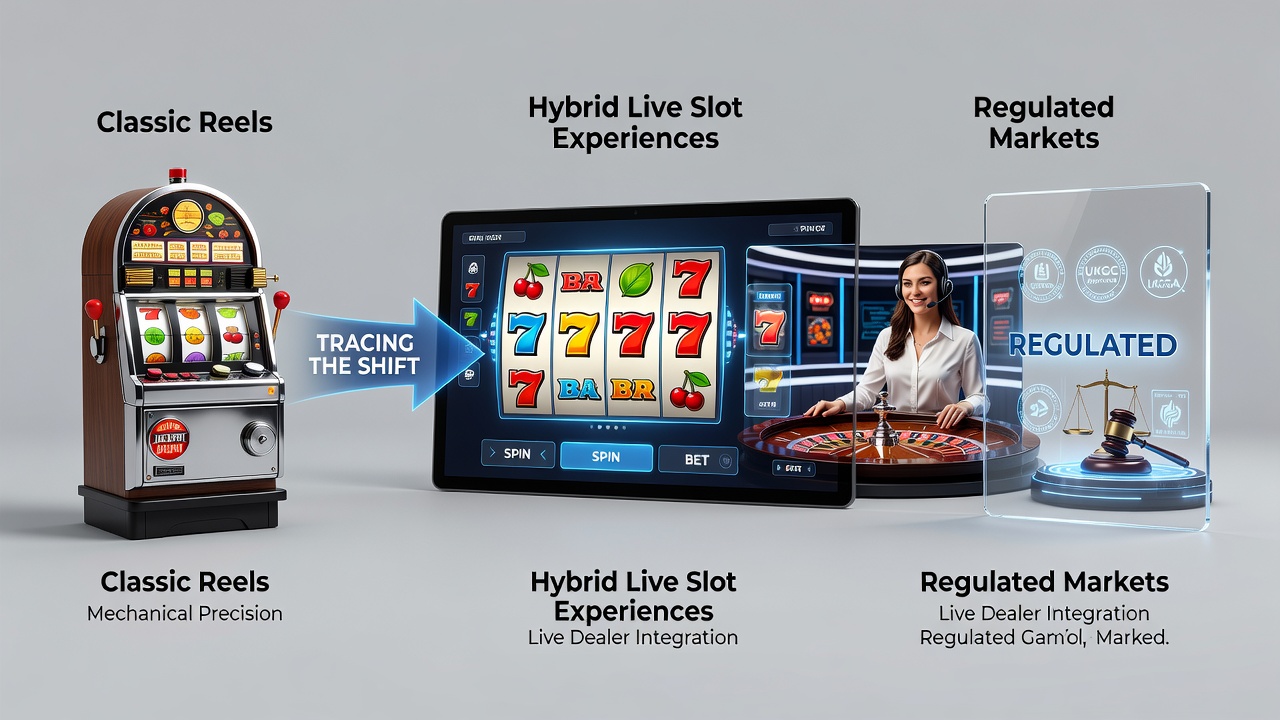
Developers later merged random number generator slots with live video feeds, and the resulting hybrid experiences place players in front of a digital reel set while a live host appears on a separate stream to trigger bonus rounds or announce multipliers. In regulated European and North American markets these products operate under the same licensing categories as traditional table games, so operators must submit game logic, payout percentages, and stream latency metrics for review before launch. Observers note that integration of live elements allows casinos to offer social features such as chat and shared jackpots while still relying on certified algorithms for core outcomes.
Market Data Reflects Adoption Patterns
Industry reports compiled through 2025 show that hybrid titles accounted for a growing share of new game releases in licensed online environments, and figures released by the American Gaming Association indicate that states with legal iGaming saw measurable increases in player session lengths when hybrid options became available. Data collected in August 2026 further reveals that jurisdictions permitting both land-based and remote play recorded parallel growth in hybrid product approvals, with regulators in Ontario and several Australian states publishing updated technical requirements that address camera angles, dealer certification, and synchronization between live video and random number generator results.
Technical and Compliance Requirements
Certification bodies such as Gaming Laboratories International evaluate hybrid software for fairness and for the integrity of video streams, and they require operators to maintain redundant servers that prevent desynchronization between the live feed and the underlying game engine. Those evaluations also examine how bonus triggers initiated by the host translate into verifiable random outcomes, and regulators mandate audit logs that capture every interaction timestamp for dispute resolution purposes.
Player Behavior Across Jurisdictions
Studies conducted by university research groups in Canada and Australia track session data from licensed platforms, and researchers report that participants often alternate between pure random number generator slots and hybrid variants within the same account. Regulatory filings show that age-verification systems and responsible gambling tools apply uniformly across both formats, while spending limits and reality checks remain active regardless of whether a player engages with a classic reel simulation or a live-hosted experience.
Future Infrastructure Developments
Operators continue to invest in low-latency streaming technology that meets the stricter synchronization rules now appearing in multiple licensing regimes, and equipment suppliers adapt cabinet designs so that land-based terminals can receive the same hybrid feeds used online. Trade associations document these infrastructure upgrades through annual technology surveys, and the resulting reports help regulators anticipate the next wave of certification requests.
Conclusion
Regulated markets have moved through successive layers of technology while maintaining consistent oversight of fairness, security, and player protection. The path from mechanical reels to video formats and onward to hybrid live slot experiences demonstrates how licensing frameworks adapt to new delivery methods without altering core requirements for testing and transparency. As additional jurisdictions finalize rules for remote gambling, the same pattern of measured integration is expected to continue, with each new product category subject to the same scrutiny applied to earlier generations of gaming equipment.