Volatility Dynamics Driving Promotional Approaches in the UK's Online Casino Landscape
Ulrich Berger · May 24, 2026
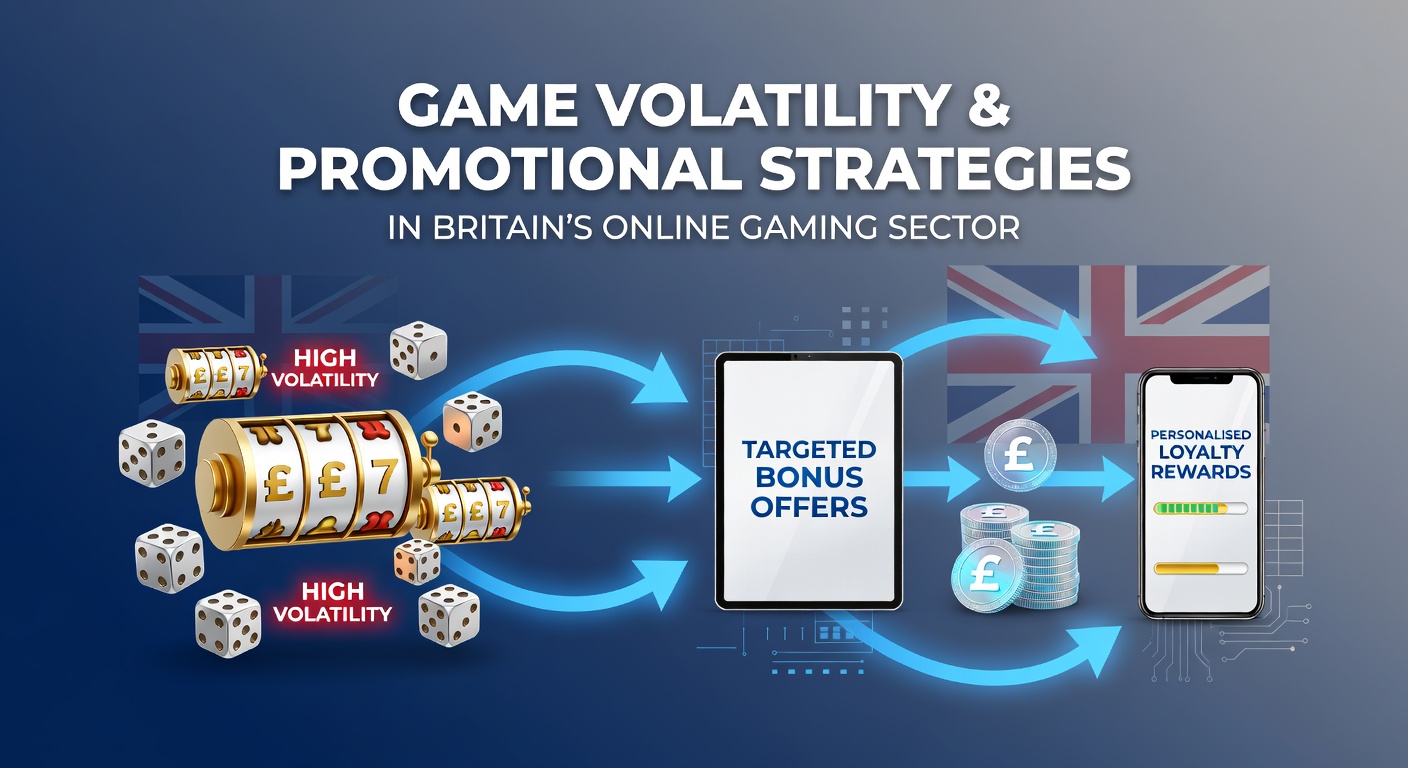
Volatility Dynamics Driving Promotional Approaches in the UK's Online Casino Landscape
Game volatility refers to the frequency and size of payouts in online casino titles, and operators in Britain adjust their promotional campaigns accordingly to match player expectations and retention patterns. High volatility games deliver infrequent but substantial wins, whereas low volatility options provide steadier smaller returns, and these distinctions shape everything from welcome bonus structures to ongoing loyalty rewards. Data from industry reports shows that promotional calendars in May 2026 reflect this split with targeted campaigns appearing more frequently for specific game categories.
Defining Volatility Categories in Digital Slots and Table Games
Observers note that volatility levels get measured through mathematical models that calculate payout distribution over thousands of spins, and this information reaches marketing teams who then craft offers that align with those risk profiles. High volatility slots often feature bonus rounds with multipliers that exceed 100x, while low volatility machines pay out on nearly every few spins at modest rates around 5x to 10x. Those who've studied player databases across multiple platforms find that segments respond differently based on these mechanics, leading to segmented email campaigns and personalized deposit matches that appear in player inboxes at varying intervals.
Medium volatility titles sit between the extremes, offering balanced hit rates that appeal to broader audiences, and promotional teams use this category as a bridge in their cross-selling efforts. Research indicates that operators track session lengths and deposit frequencies tied to each volatility tier, which informs decisions about free spin allocations and cashback percentages rolled out during peak periods like bank holidays or sporting events.
How Volatility Shapes Bonus Mechanics and Player Acquisition
Promotional strategies diverge based on volatility because high volatility games attract users seeking larger jackpots, so operators deploy larger match bonuses paired with higher wagering requirements to extend playtime on those titles. Low volatility games, by contrast, receive promotions emphasizing frequent small rewards such as daily free spins or cash drops that encourage repeated logins without long dry spells. Figures from European gaming associations reveal that acquisition campaigns in Britain allocate roughly 60 percent of bonus budgets toward volatility-specific targeting as of early 2026.
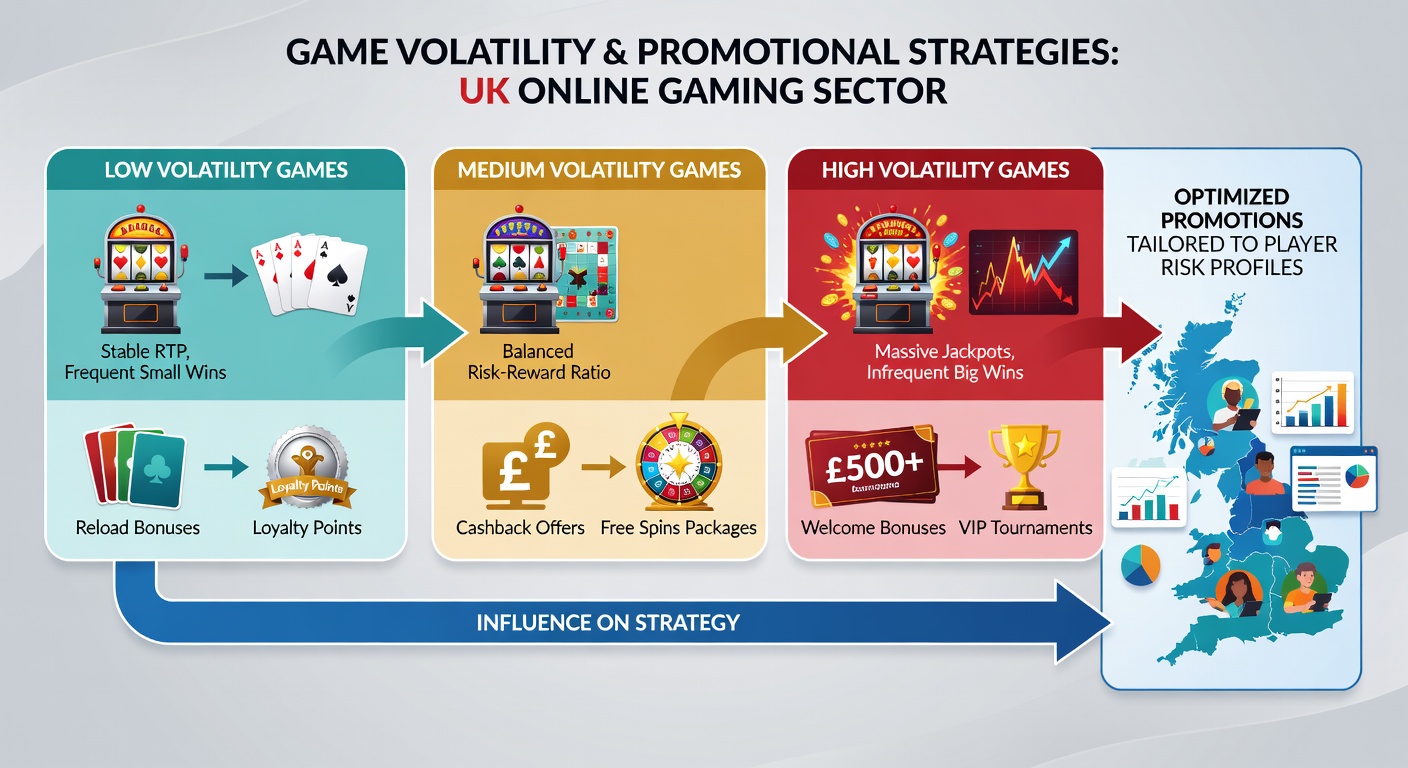
Take one operator who noticed that high volatility players converted better through no-wager free spin offers tied to progressive jackpot slots, while low volatility users retained longer when receiving reload bonuses scaled to consistent bet sizes. This pattern leads marketing departments to A/B test subject lines and creative assets that highlight either big-win potential or steady entertainment value depending on the featured game library. External links to studies from the Responsible Gambling Council and reports issued by the European Gaming and Betting Association provide supporting data on these segmentation tactics.
Seasonal Adjustments and Regulatory Context in Britain
British operators monitor regulatory updates and player behavior trends simultaneously, and in May 2026 several platforms introduced volatility filters within their promotional dashboards to help users select bonuses that match preferred game styles. These filters appear alongside standard terms, allowing clearer communication about expected payout rhythms without altering the underlying bonus values. Industry data shows that such transparency correlates with longer average session times across both high and low volatility selections.
Campaign calendars also incorporate external events such as major football tournaments, during which high volatility promotions gain prominence because excitement levels rise and players chase larger potential payouts. Meanwhile low volatility offers maintain steady volume in quieter periods to sustain baseline engagement. Those analyzing transaction logs observe that deposit bonus uptake increases when paired with volatility-matched game recommendations, creating a feedback loop that refines future strategy.
Retention Tactics Tied to Volatility Metrics
Loyalty programs segment members according to volatility preferences derived from gameplay history, and this segmentation drives tiered reward structures where high volatility enthusiasts receive milestone bonuses linked to jackpot triggers. Low volatility players often see weekly cashback offers calculated on total wagered amounts rather than win frequency. Observers tracking these programs note that personalization based on volatility data reduces churn rates across the board, particularly when combined with push notifications timed to game release schedules.
Case examples from multiple sites demonstrate that cross-promotions between high and low volatility titles encourage portfolio exploration, and operators measure success through metrics such as return visits within seven days of bonus redemption. These approaches rely on real-time analytics platforms that update promotional eligibility dynamically as new volatility data emerges from game providers.
Conclusion
Volatility remains a central factor in how Britain's online gaming operators design and deploy promotional content, influencing bonus sizing, targeting precision, and retention mechanics throughout 2026. Continued analysis of player data alongside industry reports supports ongoing refinement of these strategies, ensuring offers align with the mathematical realities of each game category.