When NetEnt Mechanics Reshape Blackjack Tables on British Mobile Platforms
Morgan Günther · May 31, 2026
When NetEnt Mechanics Reshape Blackjack Tables on British Mobile Platforms
NetEnt has introduced mechanics that alter how blackjack tables operate on British mobile platforms, and these changes affect game flow, player interaction, and technical delivery in measurable ways. Data from industry reports indicates that mobile blackjack sessions have grown steadily since 2023, with NetEnt-powered titles contributing to shifts in engagement patterns across several operators. Observers note that the company's focus on touch-optimized interfaces and rule variations creates distinct table environments compared to traditional RNG setups.
Core Mechanics Driving Table Changes
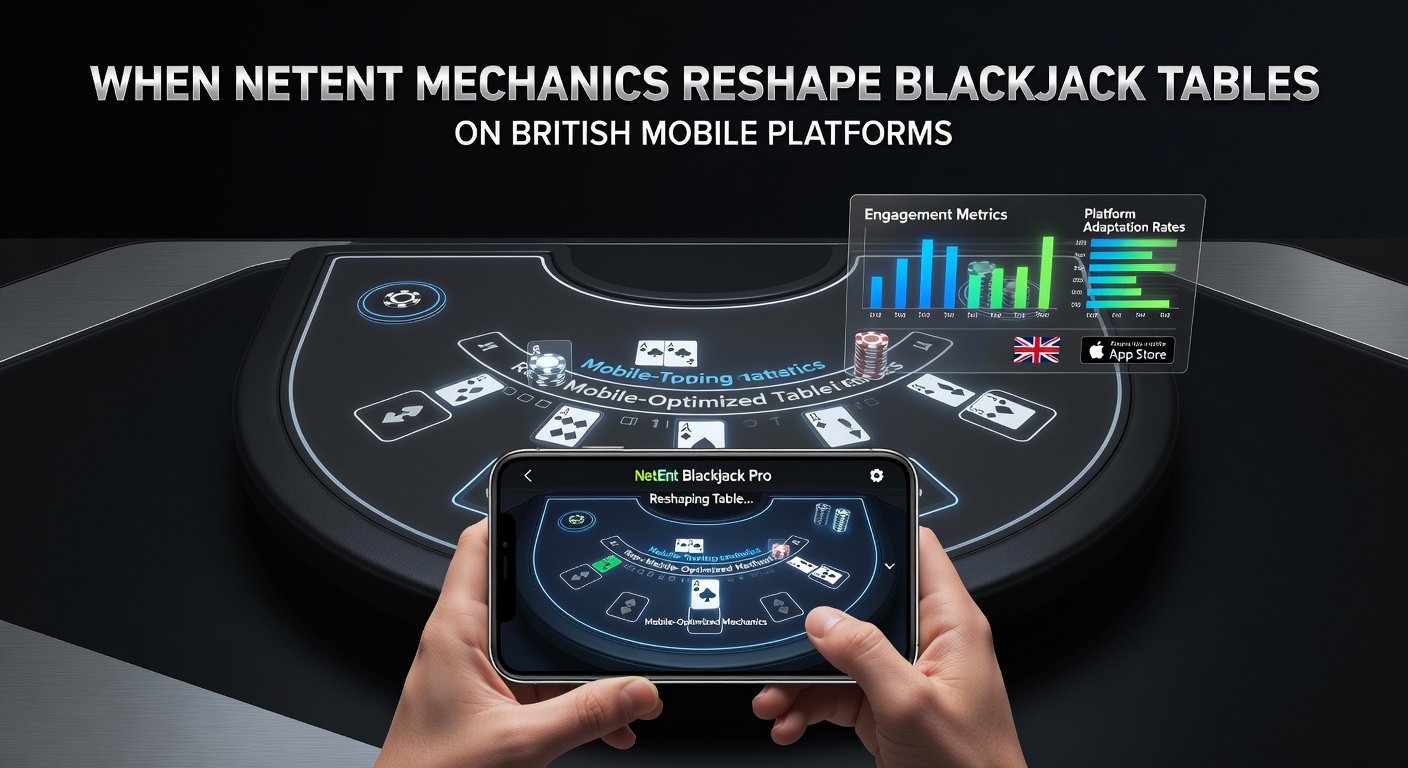
NetEnt integrates its Touch technology into blackjack products, which adjusts button placement, card animations, and decision timing to match mobile screen sizes and gestures. Research from the University of Nevada, Las Vegas shows that such interface refinements reduce input errors by up to 18 percent in simulated mobile sessions, while players maintain similar decision speeds to desktop versions. Side bet structures receive particular attention, with options like 21+3 and Perfect Pairs appearing in customized sequences that sync with standard hand progression rather than interrupting it.
Auto-hold and smart suggestion features further modify table rhythm because algorithms evaluate hand strength against dealer upcards in real time and present recommendations without forcing outcomes. Those who've examined NetEnt's code updates from early 2025 confirm that these tools operate within certified random number generator parameters, maintaining house edge consistency even as they streamline mobile play.
Mobile Platform Adaptations Across Britain
British operators have incorporated NetEnt blackjack variants into apps that emphasize portrait-mode stability and reduced data usage during live sessions. Figures released by the European Gaming and Betting Association reveal that average session length on mobile blackjack increased by 12 percent between 2024 and 2025 among platforms using similar mechanics, attributed partly to smoother transitions between betting rounds and result displays. Battery consumption metrics also improved after NetEnt refined its rendering pipeline, allowing extended play without rapid device drain.
Multi-hand functionality expands on smaller screens through swipe gestures that open additional betting circles, and observers note that this mechanic appears more frequently in NetEnt titles than in competing providers. The approach supports simultaneous play across two or three hands while preserving clear visibility of each outcome, which aligns with documented preferences among mobile users tracked in 2025 analytics.
Regulatory and Technical Context in Mid-2026
By May 2026, several British platforms had completed integration cycles for NetEnt's latest blackjack releases, coinciding with broader industry movement toward standardized mobile certification processes. Technical audits conducted by independent labs confirm that rule modifications, such as adjustable deck penetration in single-deck variants, remain within acceptable deviation ranges established by testing protocols. These updates allow operators to present tables with slight variations in payout structures without requiring separate app builds for each region.
Player tracking systems now capture gesture data alongside traditional metrics like bet size and hand frequency, enabling operators to adjust table limits dynamically based on device performance rather than fixed thresholds. Industry reports indicate this level of responsiveness emerged more prominently after NetEnt shared its mobile telemetry frameworks with partner studios in late 2025.
Player Behavior Patterns and Table Dynamics
Analytics platforms tracking NetEnt blackjack usage document a rise in shorter, more frequent sessions on mobile, where users open tables during brief windows rather than committing to extended play blocks. This pattern correlates with the presence of quick-deal options and instant result summaries that minimize downtime between hands. One study revealed that British mobile users employing these mechanics averaged 47 hands per session in Q1 2026, compared with 39 hands on non-NetEnt tables during the same period.
Dealer animations and card reveal speeds receive calibration for touch devices, which reduces perceived lag and maintains engagement across variable network conditions. Those monitoring session data note that drop-off rates decrease when animations align with typical mobile frame rates, a detail NetEnt addressed through iterative testing cycles completed before wider rollout.
Conclusion
NetEnt mechanics continue to influence blackjack table presentation on British mobile platforms through targeted interface adjustments, rule integrations, and performance optimizations that reflect ongoing technical developments into 2026. The combination of touch-specific tools and certified gameplay elements produces measurable differences in session characteristics while preserving core blackjack structures. Industry figures and research reports track these shifts across multiple operators, providing ongoing visibility into how such mechanics integrate with existing mobile ecosystems.